10 free tools. Zero signups. Your files never leave your browser.Open the Viral Lab →
How to grow a fitness Instagram in 2026, from picking a lane and making Reels people save to the FTC rules on health claims and when US fitness audiences are scrolling.
You film a clean set of Romanian deadlifts at 6am, add a trending sound, post it, and it does 312 views. Meanwhile a shirtless guy reading a “what I eat in a day” script to a ring light pulls 400,000.
That gap is frustrating, but it isn’t random. Fitness is one of the most crowded niches on Instagram, and in 2026 the accounts that grow from scratch tend to do a few unglamorous things on purpose: they pick a narrow lane, make posts people save and send to a friend, post when their people are actually awake, and stay clear of the claims that get fitness accounts buried or in trouble.
This playbook is for American creators under about 10,000 followers: trainers, coaches, people documenting their own training, and the busy-parent crowd squeezing workouts into lunch breaks.
Key takeaways
TikTok gets the headlines, but fitness has a natural home on Instagram for one reason: people save workouts. A carousel with five exercises and rep ranges is something people screenshot, bookmark and pull up between sets. That behavior lines up with what Instagram has said it rewards. In early 2025, Instagram head Adam Mosseri named watch time, likes per reach and sends per reach as the signals that matter most, with sends carrying extra weight for reaching people who don’t follow you yet.
Fitness content gets sent all the time. “Do this with me tomorrow.” “This is your knee problem.” “Mom, look.” If your posts are built to be sent, you’re working with the app instead of against it.
“Fitness” isn’t a niche. It’s a category with a hundred niches inside it, and the account that’s a bit of everything rarely gets recommended to anyone in particular.
| Lane | Who it’s for | What travels well | Watch out for |
|---|---|---|---|
| Strength for beginners | People new to the weight room | Form checks, “first 4 weeks” plans | Overpromising results |
| Busy parents | Moms and dads with 30 minutes | Home or lunch-break workouts | Generic “no excuses” messaging |
| Runners and hybrid training | Half-marathon and Hyrox crowd | Pace guides, race-week routines | Copying elite plans for beginners |
| Desk workers and mobility | People with stiff backs and hips | 5-minute routines, “do this at your desk” | Diagnosing pain |
| Women 40 and over | Strength for midlife | Myth-busting, simple programs | Hormone claims you can’t back up |
| Weight loss | People trying to lose weight | Honest progress, habits | Reach limits and FTC claims (see below) |
The test is simple: could a stranger who saw three of your posts describe the account in one sentence? “She shows busy moms 30-minute strength workouts” is a lane. “Fitness, food and my life” isn’t.
If you’re still choosing, our guide to finding your niche is written for TikTok, but the 5-step test works the same way on Instagram.
Fifteen to thirty seconds, one exercise, one fix. “If your knees cave on squats, try this cue.” These do well because they’re specific and because people send them to the friend whose knees cave.
One slide per exercise, sets and reps in big type, last slide a “save this for leg day” nudge. Carousels are where fitness saves pile up. Keep the text readable on a phone without zooming.
“Week 3 of my first powerlifting meet prep” works because people come back for the next episode. It also gives you a built-in reason to post on a schedule.
Polls (“which program next?”), quick check-ins and replies to DMs. Stories mostly reach your existing audience, which is exactly where future clients and buyers come from.
Film the same angle every time
Pick one camera spot for form content and stick with it. When the angle is consistent, viewers can compare your reps from week to week, and your grid starts to look like a series instead of a random feed.
Fitness hooks fail the same way most hooks fail: they warm up before they say anything. “Hey guys, today we’re doing legs” loses people in a second. The opening should name the problem or the promise right away.
We ran “zone 2 cardio” for “a busy working mom” through Cowral’s free Hook Generator to show what a starting list looks like:
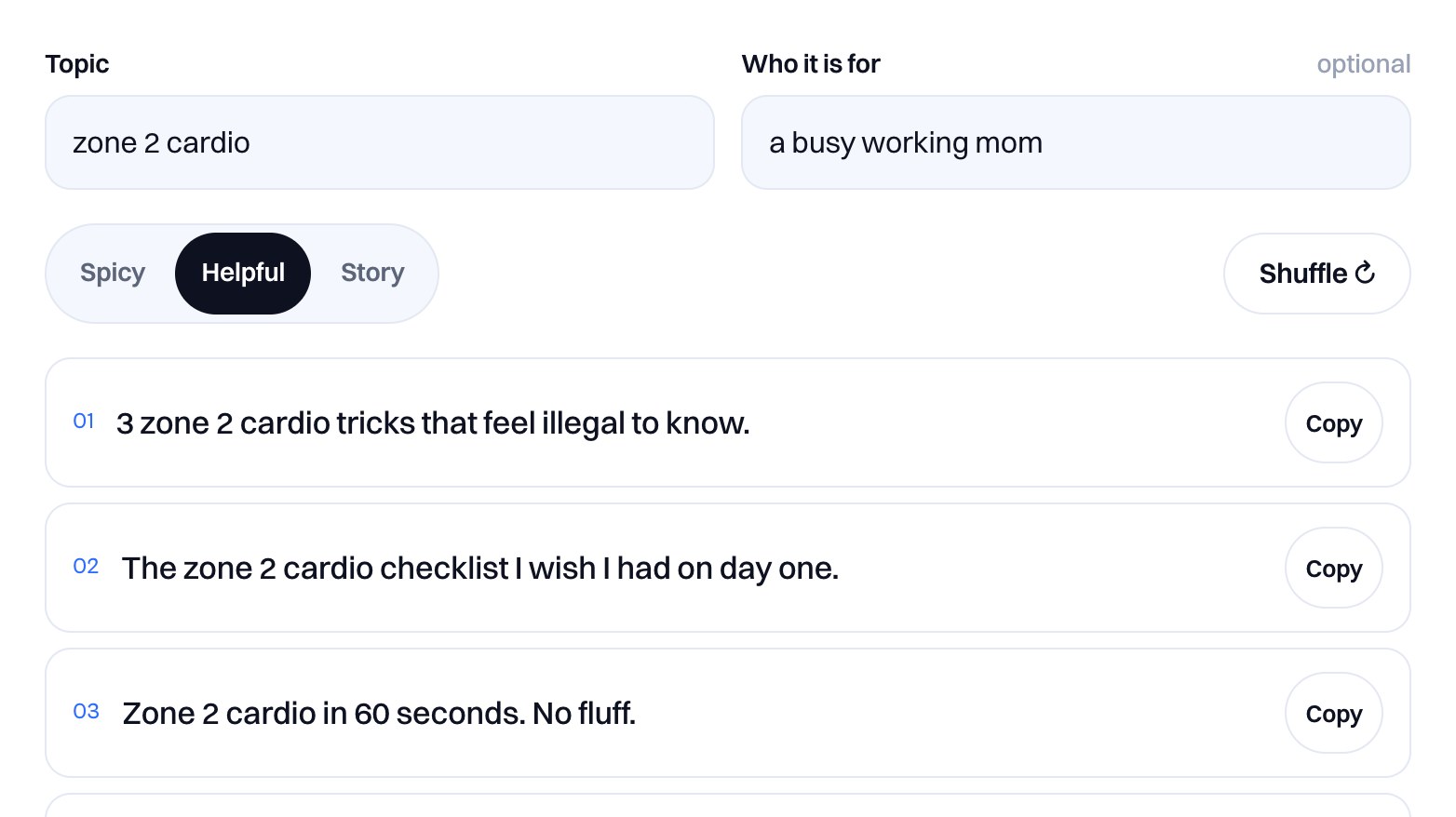
Some of those are usable as-is, like “If you are a busy working mom, do this one zone 2 cardio thing today”. Others read like templates, and you’d want to rewrite them in your own voice before filming. Treat the list as raw material. Our breakdown of the Reels hook formula shows how to turn a line like that into an opening people send to a friend.
This is the part most fitness playbooks skip, and it’s the part that quietly decides whether a fitness account can grow.
Instagram publishes recommendation guidelines listing content it won’t push to people who don’t follow you. Content that promotes or favorably depicts weight loss products or services, or cosmetic surgery, is on that list. Posts selling weight loss products are age-restricted for teen accounts, and content that discusses eating disorders isn’t eligible for recommendations at all.
That doesn’t mean you can’t talk about losing weight. It means an account built around selling weight loss products, or heavy before-and-after promotion tied to a product, will have a hard time reaching new people through Explore and Reels. If your lane touches weight loss, lean into habits, strength and honest progress rather than products.
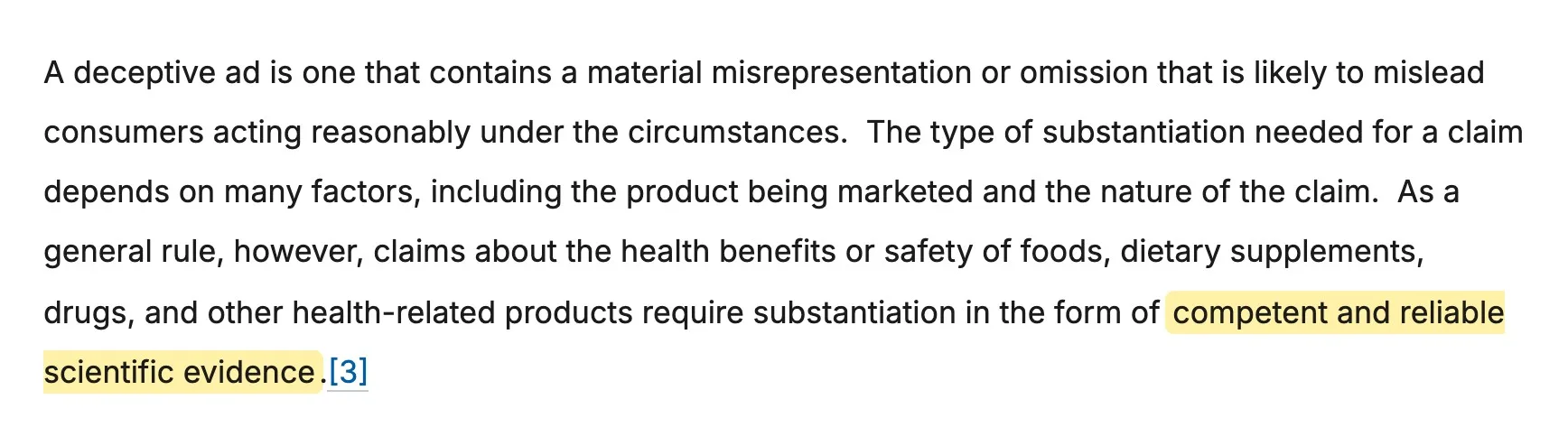
If you promote a supplement, a program or an app, the Federal Trade Commission’s Health Products Compliance Guidance applies. In plain terms:
And under the FTC’s endorsement rules, any material connection (free product, payment, an affiliate code) has to be disclosed clearly. Use Instagram’s Paid Partnership label and say it in plain words too.
The riskiest combo in fitness
A dramatic before-and-after, a supplement and a discount code in the same post is the pattern that hits all three problems at once: weaker recommendations, health-claim risk and disclosure rules. If a brand asks for exactly that, push back or pass.
This isn’t legal advice. If you’re signing bigger brand deals, it’s worth having someone review the contract and the claims you’re asked to make.
Fitness audiences have a rhythm that generic “best time to post” charts often miss. We set Cowral’s free Best Time to Post calculator to Fitness, Instagram Reels and a US East Coast audience:
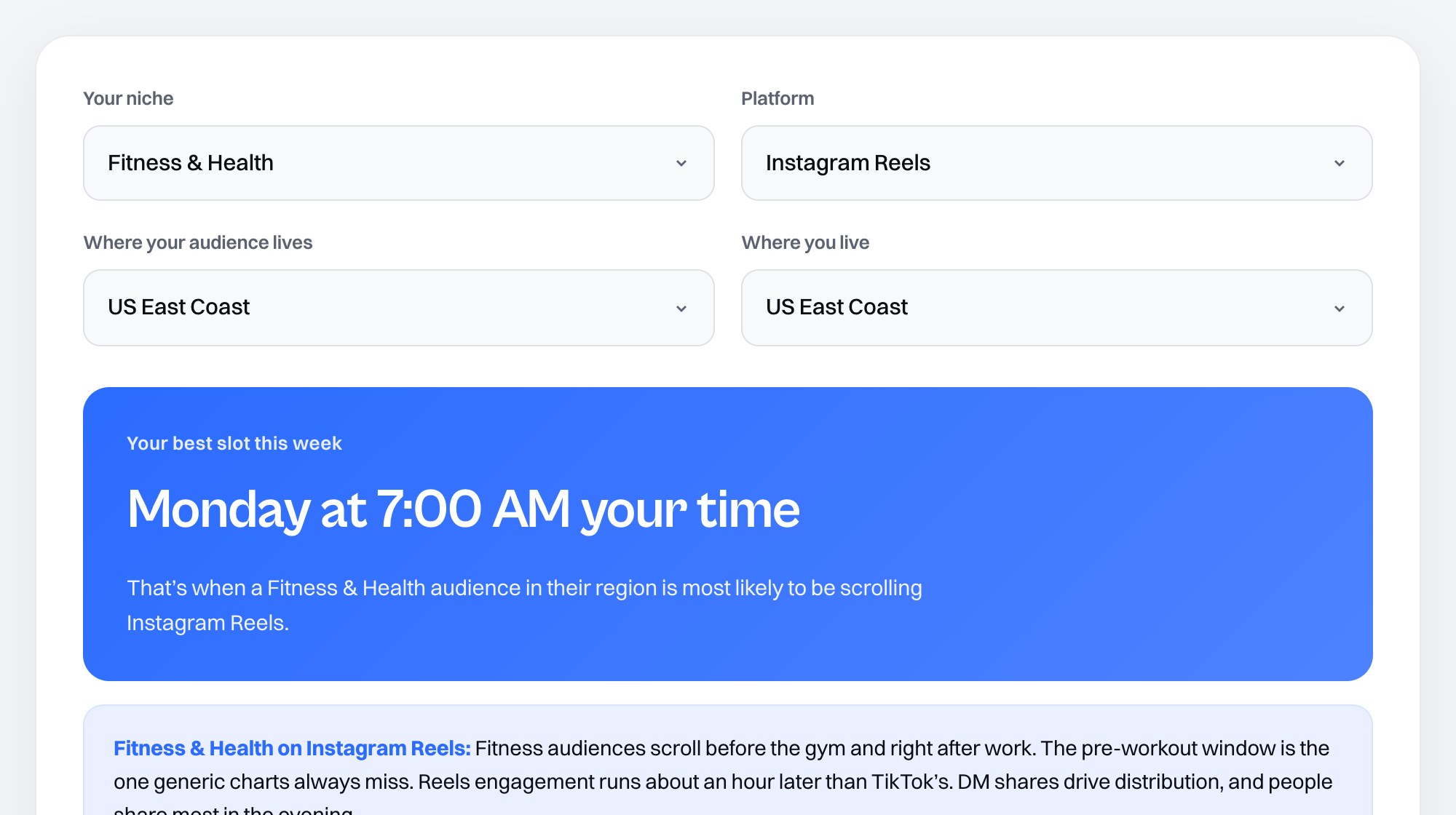
The top slot it gives is Monday at 7:00 AM, with the note that fitness audiences scroll before the gym and right after work, and that people share most in the evening. That matches how a lot of people actually train: scroll for a workout idea before going in, then send the funny or useful stuff to friends at night.
Treat any calculator as a starting point. Once you have a few weeks of posts, your own Insights beat a model. If your audience is mostly West Coast night-shift nurses, your best slot will look nothing like this.
On Instagram, only the start of your caption shows before the “more” cut. We ran a typical gym Reel caption through Cowral’s free Caption Fit Checker:
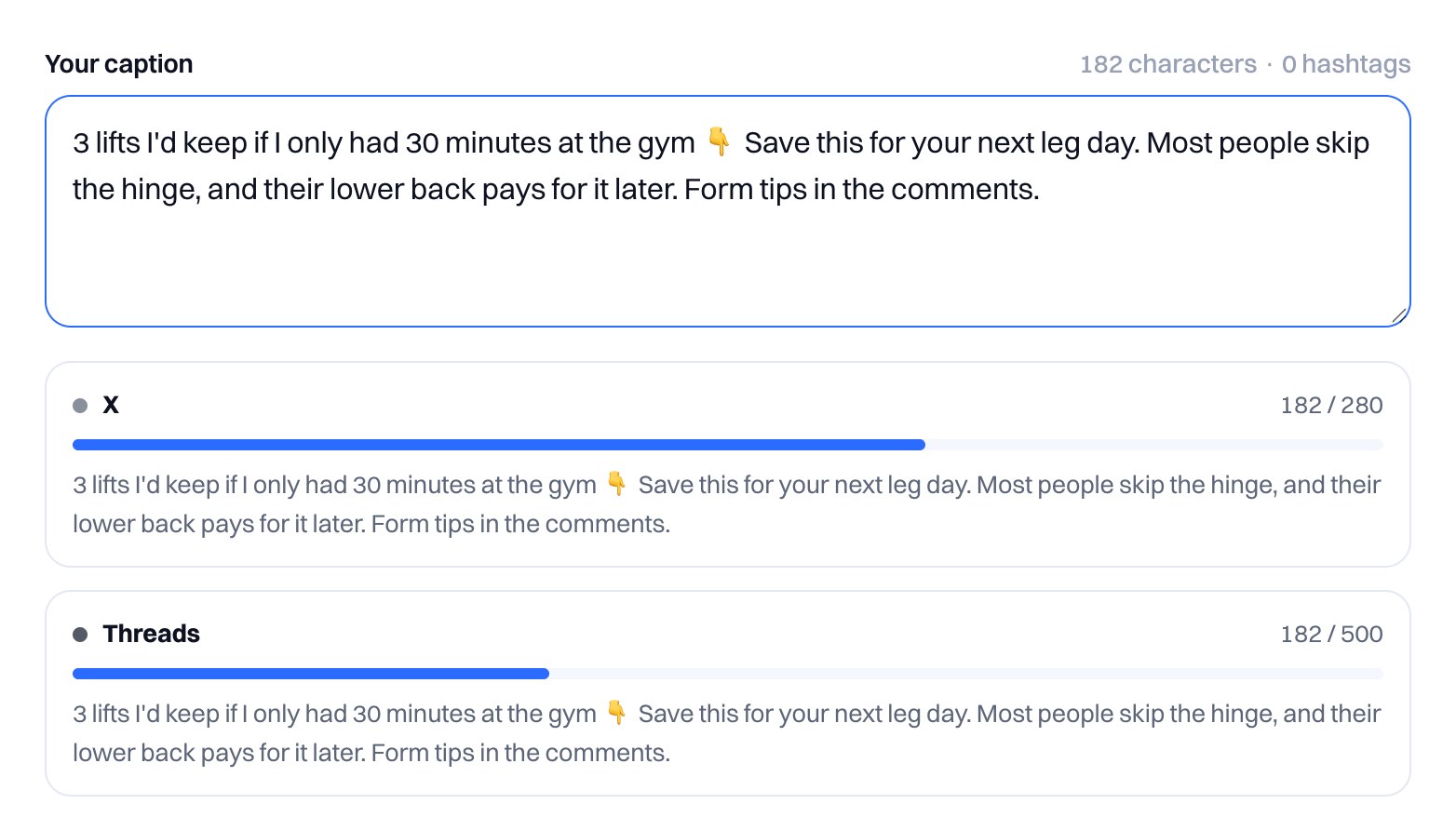
The useful part, “their lower back pays for it later”, gets hidden behind “more”. The fix is to put the payoff first: “Skip the hinge and your lower back pays for it later. 3 lifts I’d keep with 30 minutes at the gym 👇”. Same words, better order.
Ad revenue isn’t really a thing for Instagram fitness creators the way it is on YouTube. The money usually comes from:
If you also post long-form on YouTube, the free Creator Money Calculator gives a rough idea of what ad revenue might look like for a fitness channel.
Set your niche to fitness and Cowral surfaces what’s rising this week, writes hook options and scripts for Reels, TikTok and Shorts, and suggests when to post for your audience. You still pick the workouts and film them your way. It just takes the “what do I post tomorrow” stress off your plate.
You can start free, no card needed.
Pick a narrow lane, post Reels that solve one specific problem, and turn your best tips into saveable carousels. Post consistently at times your audience is awake, reply to every comment early on, and give people a reason to send your posts to a friend.
Quality beats volume. Three to five Reels a week plus regular Stories is plenty for most small accounts. Posting daily only helps if every post is genuinely useful.
There’s generally no license required to post workouts on social media in the US, but certifications like NASM or ACE build trust and matter if you coach paying clients. Either way, avoid giving medical advice or diagnosing injuries.
You can, but the brand’s health claims need real scientific support under FTC rules, your testimonial can’t claim more than the brand could prove, and you have to disclose the partnership clearly. Posts that sell weight loss products also reach fewer people.
For a US East Coast fitness audience, Cowral’s calculator suggests early mornings, with Monday at 7:00 AM as the top slot, and evenings for shares. Check your own Instagram Insights after a few weeks and adjust.

Olu Sam is an SEO expert and social media content creator who built over 50K followers across his social media pages in less than a year of creating content.
LinkedIn ProfileHow we research and fact-check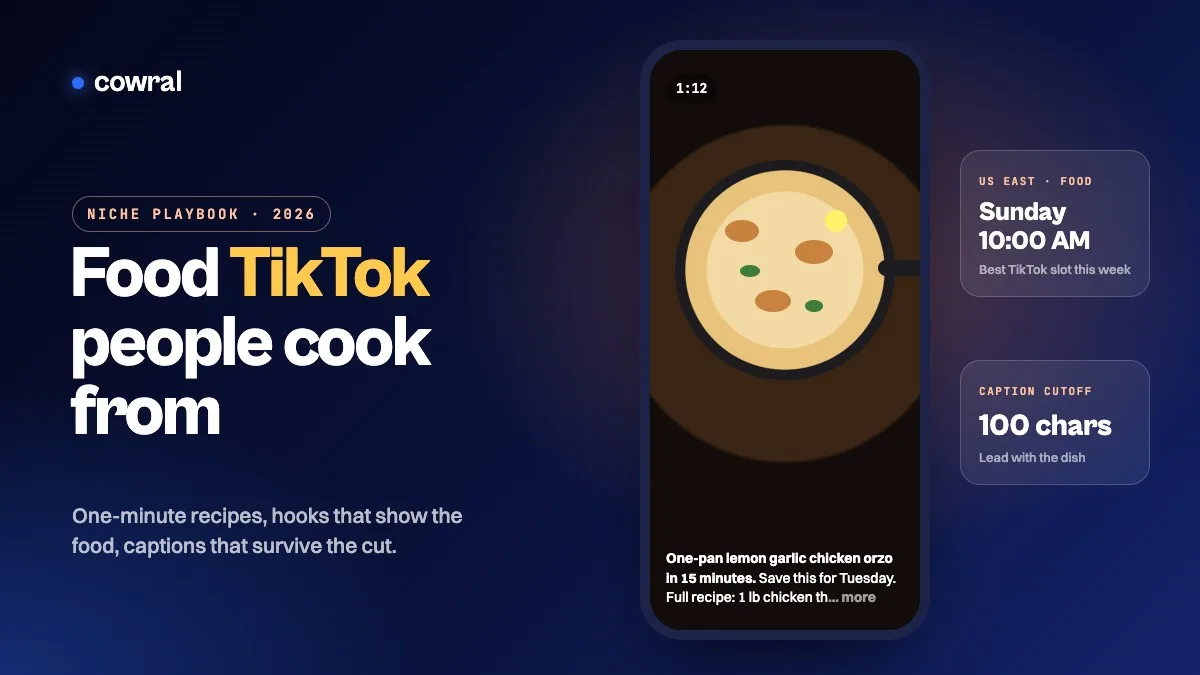 TikTokFood creators on TikTok in 2026: how to grow a recipe account people actually cook fromA 2026 playbook for food creators on TikTok, covering what the Creator Rewards Program pays for, hooks and captions that work for recipes,...
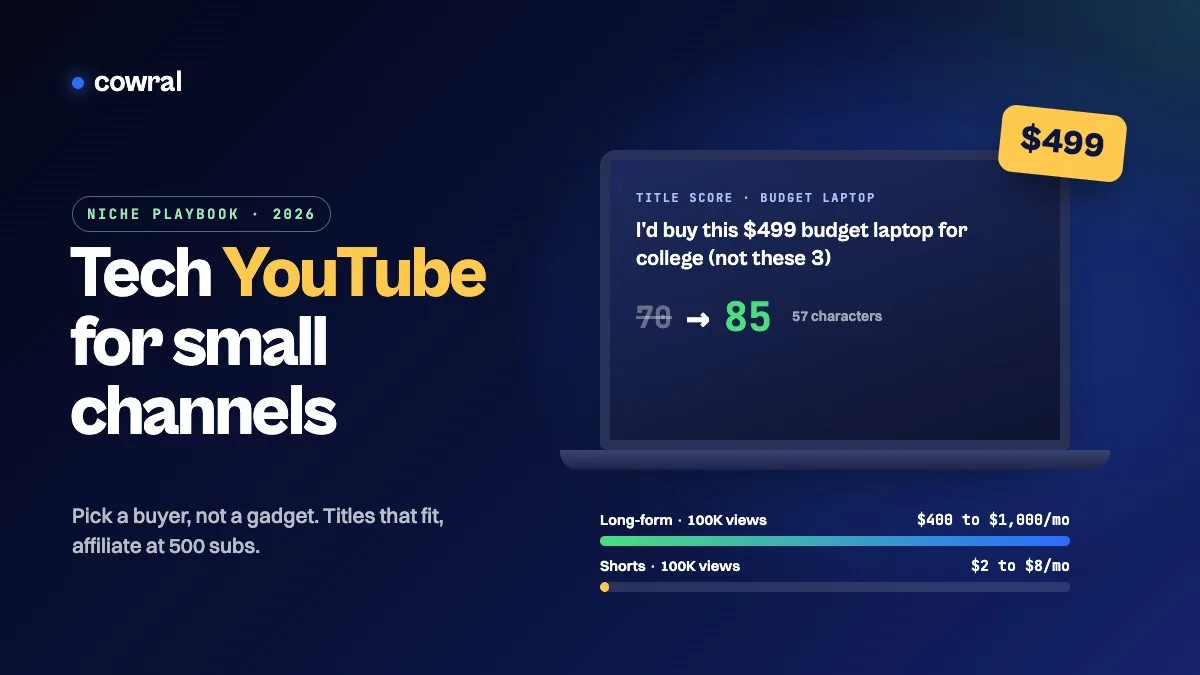 YouTubeTech YouTube in 2026: a channel strategy for small creators who review, explain and buildHow to grow a small tech YouTube channel in 2026, from picking a buyer instead of a gadget and writing titles that don't get cut off to the...
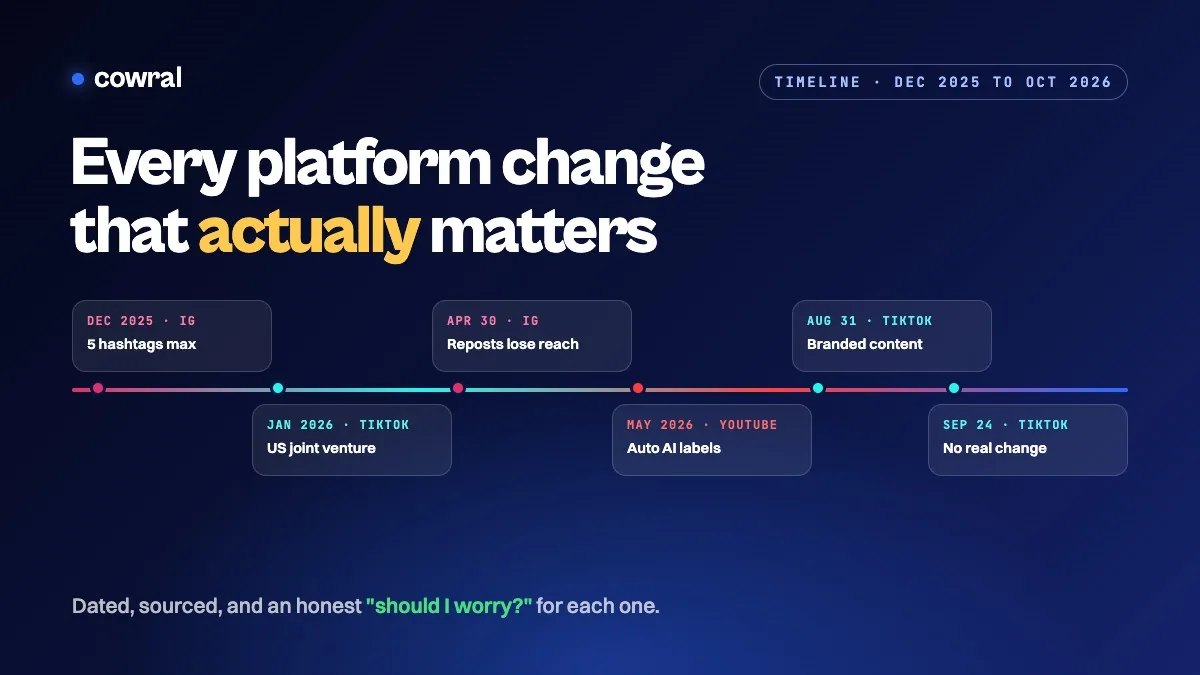 InstagramAlgorithm and policy changes creators need to know in 2026: a dated timelineEvery TikTok, Instagram and YouTube change that actually matters for creators in 2026, in date order, with sources, what each one means for...