10 free tools. Zero signups. Your files never leave your browser.Open the Viral Lab →
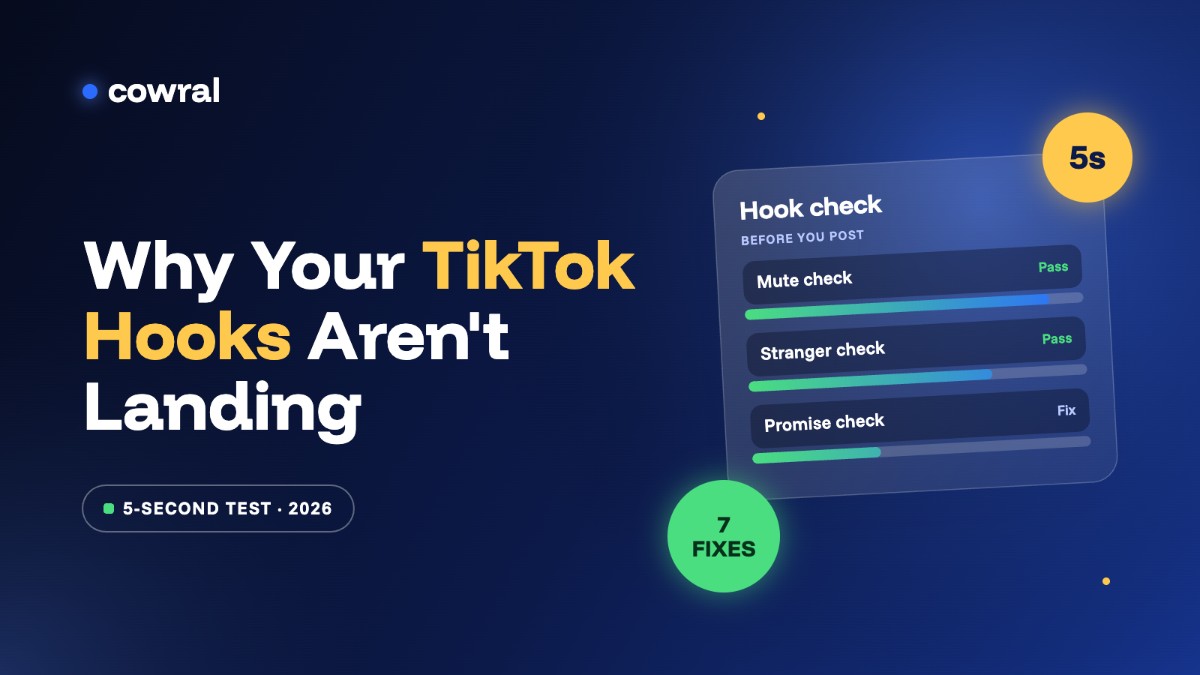
If your TikTok views stall in the low hundreds, your hook is usually why. Here are 7 reasons hooks fail and a 5-second test to run before you post.
You spent two hours on a video. Good lighting, good edit, a point worth making. You post it, refresh a few times, and it sits at 214 views. Again.
If that sounds familiar, there’s a good chance your TikTok hooks are not working, even if the rest of the video is great. It’s tempting to blame the algorithm, your posting time, or the fact that you’re “shadowbanned”. Most of the time, though, the problem is much smaller and much easier to fix: the first two seconds. If people swipe away before your video really starts, nothing after that gets a chance to matter.
This guide shows you how to check whether your hook is actually the problem, the seven most common reasons hooks fall flat, and a quick 5-second test you can run on any video before you post it. No fancy tools needed, just your phone and one honest friend.
Key takeaways
Before you rewrite every opening line, make sure the hook is actually what’s holding you back. TikTok’s own analytics make this easy.
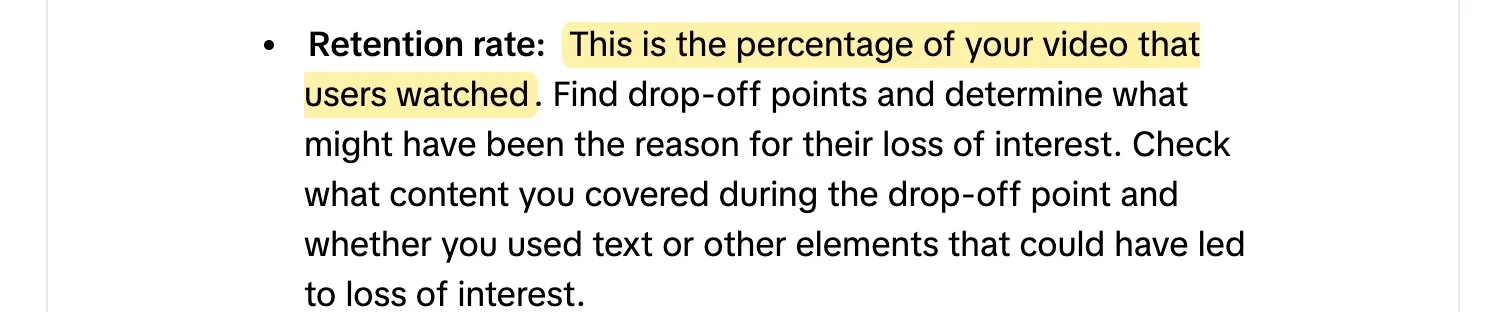
Open any video’s analytics and look at three numbers, which TikTok explains in its introduction to TikTok analytics:
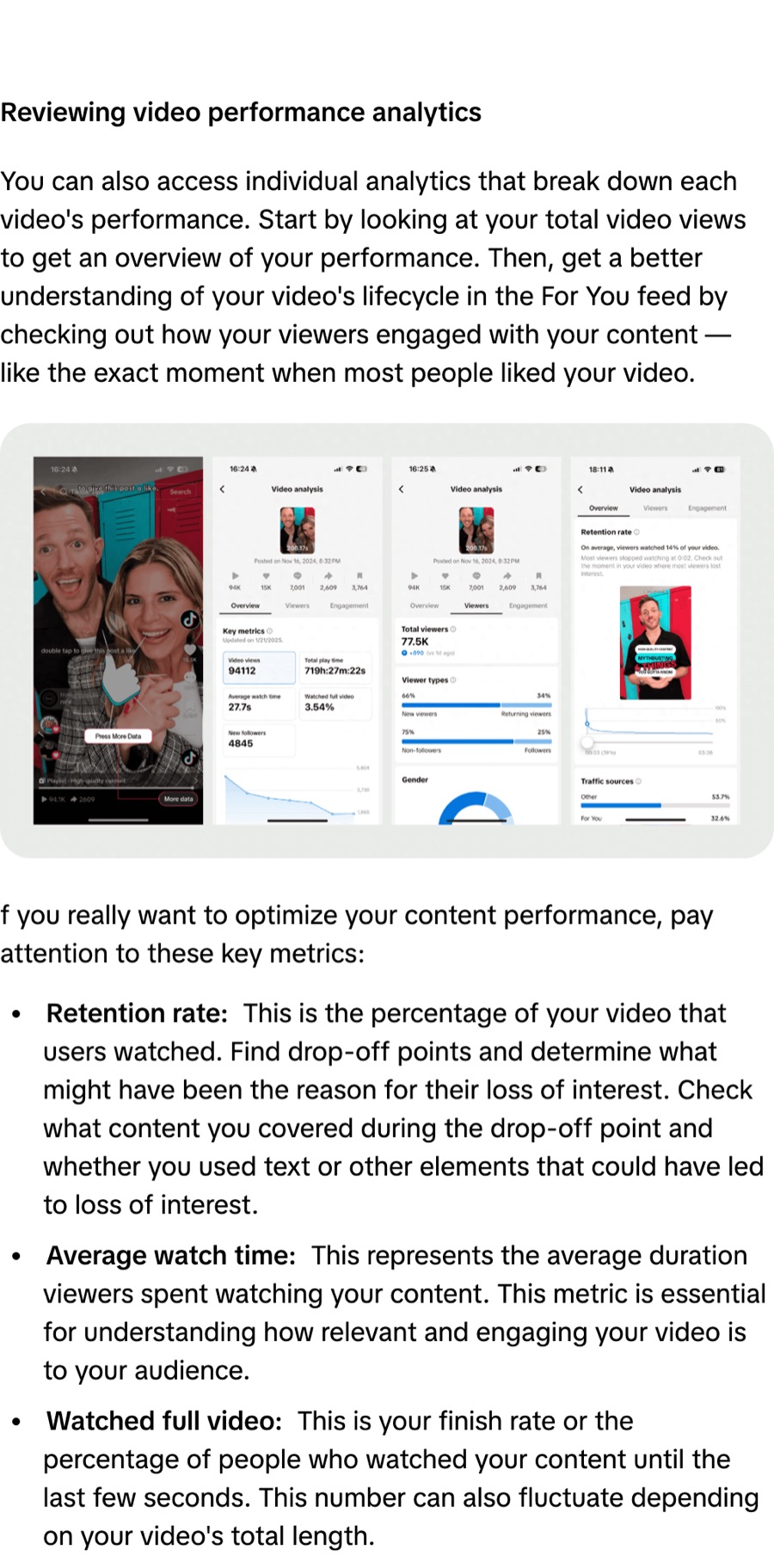
Now read the shape of the retention graph:
| What the graph looks like | What it usually means | What to fix |
|---|---|---|
| A cliff in the first 2 to 3 seconds | People aren’t hooked | Your opening (this article) |
| Holds well, then slides down in the middle | The hook works, the middle drags | Pacing and cutting |
| Holds well, then drops right before the end | People guess the ending | Save the payoff for last |
| Low across every video, whatever the topic | People don’t know what your account is about | Your niche |
If you’re in the last row, start with finding your TikTok niche instead. If you’re in the first row, keep reading.
One more thing: don’t obsess over one number. TikTok itself says no single metric decides how your video is recommended. But a cliff in the first seconds is the clearest sign there is that people aren’t sticking around long enough to give the rest a chance.
“Hey guys, so today I want to talk about…” By the time you get to the point, half the viewers are gone. Your first sentence should be the most interesting thing in the video, not a greeting.
People decide before you even speak. If your first frame is you looking down at your phone, a blank wall, or a slow pan, that’s what they’re judging. Start mid-action, with something moving or something surprising on screen.
Lots of people scroll with the sound off, at least for the first second. If your hook is purely spoken, they miss it. Add short on-screen text that says the hook in a few words.
“This changed everything” doesn’t tell anyone why they should care. Compare it with “This $15 tripod fixed my shaky videos”. Specific beats clever almost every time.
A hook that speaks to everyone speaks to no one. “If you’re a student with a part-time job…” makes the right people stop instantly, and that’s who you want watching anyway.
Clickbait gets the swipe to stop, then loses people the moment they realize the video isn’t what was promised. That shows up as a sharp drop a few seconds in, and it hurts more than a weak hook would.
You saw a hook format go viral and used the same line. But hooks work because of what’s behind them: curiosity, a problem, a surprise. Our breakdown of the 7 TikTok hook formats that rank explains the “why” behind each one, so you can adapt them instead of copying.
Here’s a simple check you can run on any video before you post it. It takes about two minutes.
Step 1: The mute check. Watch your first five seconds with the sound off. Can you tell what the video is about from the picture and on-screen text alone? If not, add text or change your first shot.
Step 2: The stranger check. Show only the first five seconds to someone who hasn’t seen the video. Then ask them two questions: “What’s this video about?” and “Do you want to see the rest?” If they can’t answer the first one, or shrug at the second, your hook needs work. A friend, a sibling, or someone in a creator group chat all work.
Step 3: The promise check. Look at what your hook promises, then watch the whole video. Does it deliver, and does the payoff come near the end? If the answer comes in second eight, people have no reason to stay for second 30. Move it later, or tease it at the start and reveal it at the end.
If your video passes all three, post it. If it fails one, fix just that part and run the test again.
Here’s what fixing a hook looks like in practice:
| Weak hook | Why it fails | Stronger version |
|---|---|---|
| “Hi everyone, welcome back to my channel” | Warm-up, no reason to stay | “I grew 1,000 followers without showing my face. Here’s how.” |
| “Some tips for saving money” | Vague, not for anyone | “If you make under $50K a year, do these 3 things first.” |
| “You won’t believe this” | No hint of what it is | “This free app does what I was paying $20 a month for.” |
| “Let me show you my morning routine” | Slow, no tension | “My 5am routine lasted 4 days. This is the one that stuck.” |
| “Making tacos tonight” | No problem or promise | “Your tacos fall apart because of this one step.” |
Notice the pattern: each stronger hook says who it’s for, what they’ll get, or why it matters, in under two seconds.
Need ideas fast? The free Hook Generator gives you ten openers for any topic. Run your favorites through the 5-second test before you film. We also tested letting AI write our TikTok hooks for 30 days, and the results show where AI helps and where your own voice wins.
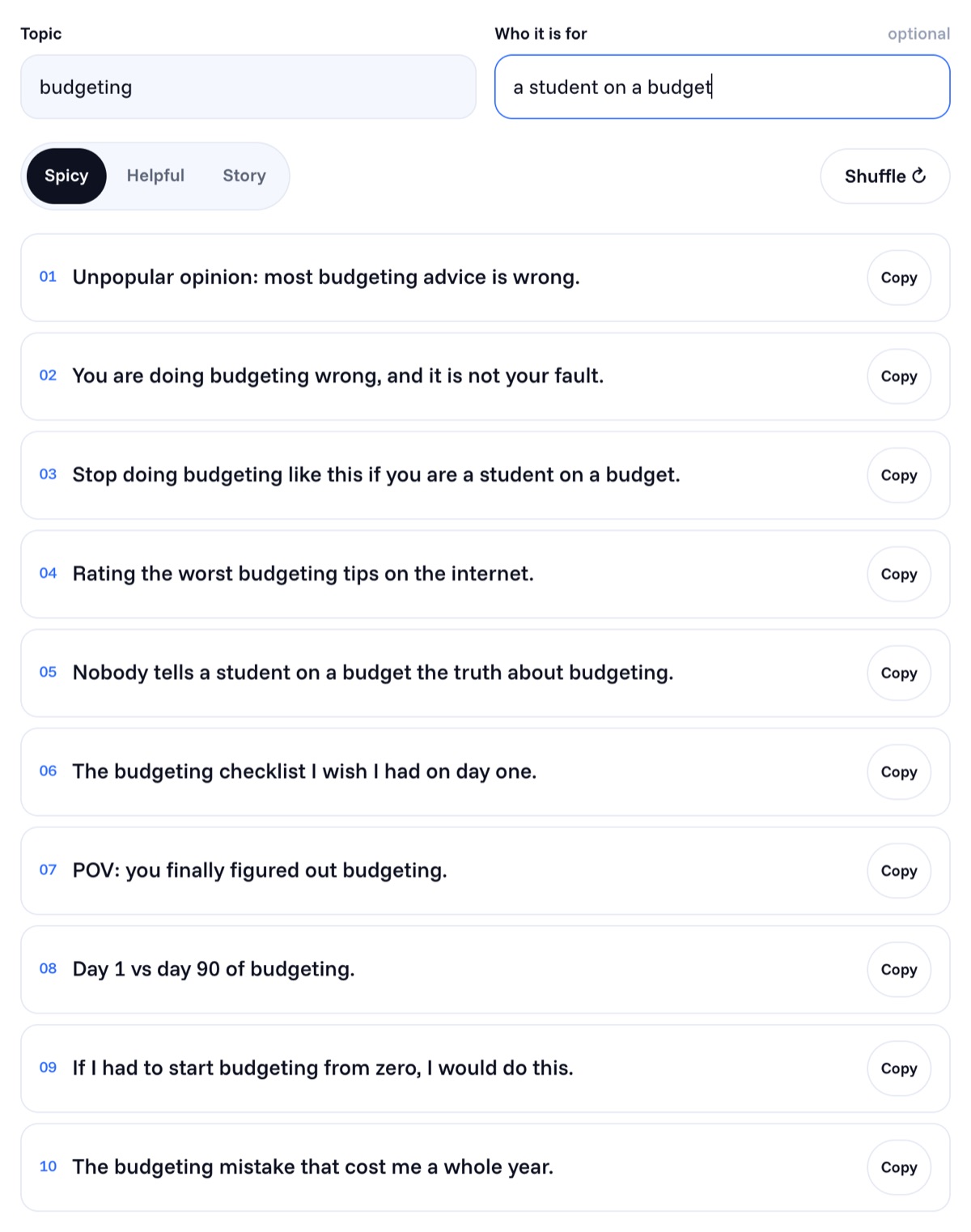
Don’t try to fix everything at once. Here’s a simple plan:
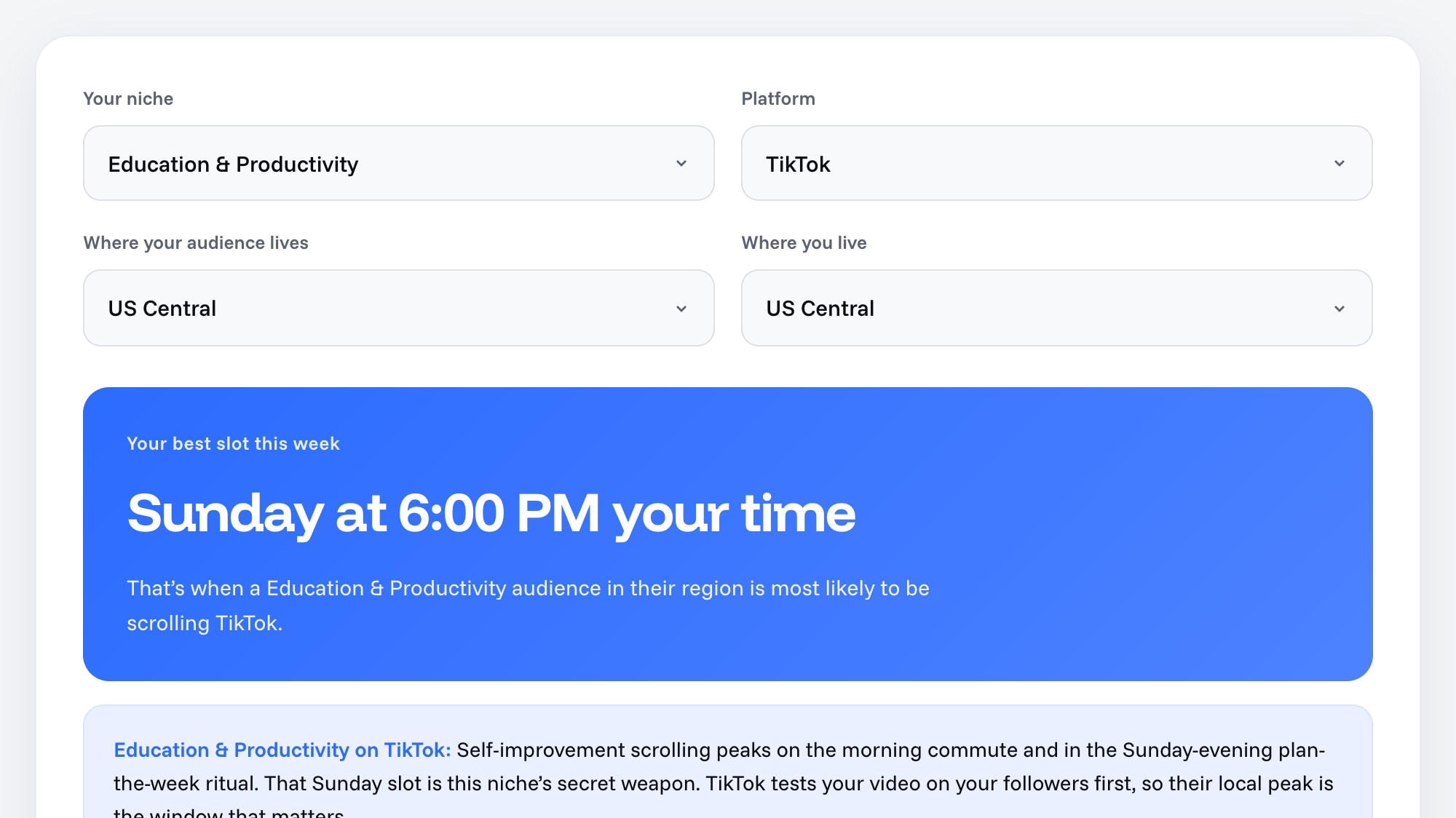
Post when your audience is actually online, too, so your test isn’t skewed by timing. The free Best Time to Post calculator works it out for your niche and time zone. And if you want to understand how TikTok decides who sees your video in the first place, read what actually changed in the TikTok algorithm in 2026.
Inside Cowral, every script starts with the hook. Pick a trend from your niche, and the AI Script Writer turns it into a full script with the hook up front. Run that opening through the 5-second test before you film. Plan your five-video test on the content calendar, get a reminder before each post, and check My growth afterwards to see whether your changes paid off.
You can start free, no card needed.
New videos are usually shown to a small group of viewers first. If many of them swipe away in the first few seconds, the video often stops being pushed further. Check your retention graph: a big drop at the start means your hook needs work.
TikTok doesn’t publish a target, and it varies by video length and niche. The most useful benchmark is your own average: if a new hook holds more viewers past the first few seconds than your usual videos do, it’s working.
Make your point in the first one to two seconds and keep the whole hook under about five seconds. The first frame and the first sentence matter most.
Hooks that are specific about who the video is for and what they’ll get, like “If you’re paying for Spotify, check this setting” or “Your tacos fall apart because of this one step.” Vague hooks like “you won’t believe this” rarely hold anyone.
Yes. A lot of people scroll with the sound off, so short on-screen text that repeats your hook helps them understand the video instantly.
TikTok doesn’t call it shadowbanning, but its Community Guidelines do say some content can be made ineligible for the For You feed. If one video stalls, it’s usually the hook or the topic. If every video suddenly drops, check your account status in TikTok Studio for any violations.

Olu Sam is an SEO expert and social media content creator who built over 50K followers across his social media pages in less than a year of creating content.
LinkedIn ProfileHow we research and fact-check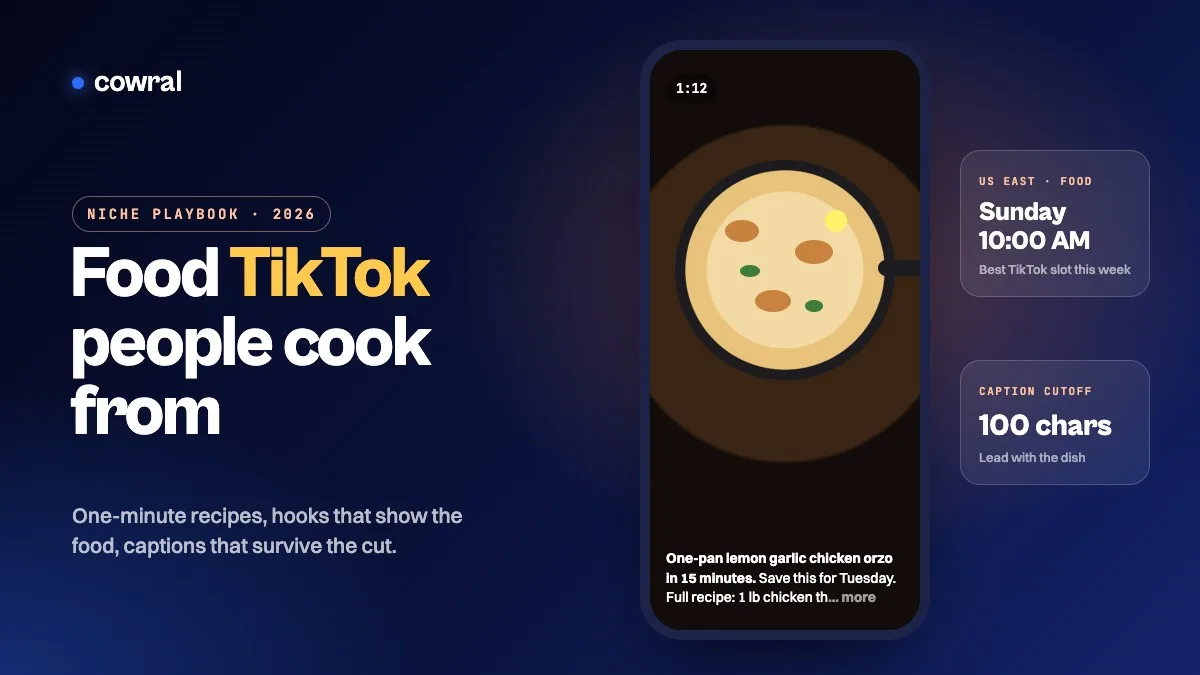 TikTokFood creators on TikTok in 2026: how to grow a recipe account people actually cook fromA 2026 playbook for food creators on TikTok, covering what the Creator Rewards Program pays for, hooks and captions that work for recipes,...
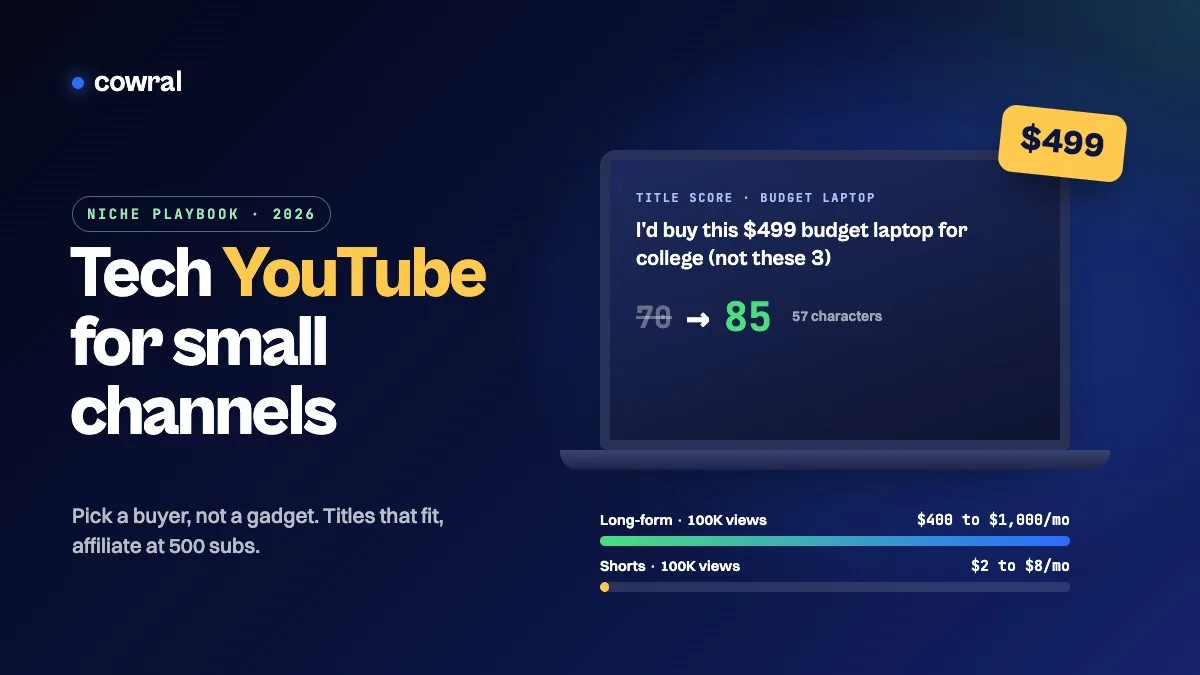 YouTubeTech YouTube in 2026: a channel strategy for small creators who review, explain and buildHow to grow a small tech YouTube channel in 2026, from picking a buyer instead of a gadget and writing titles that don't get cut off to the...
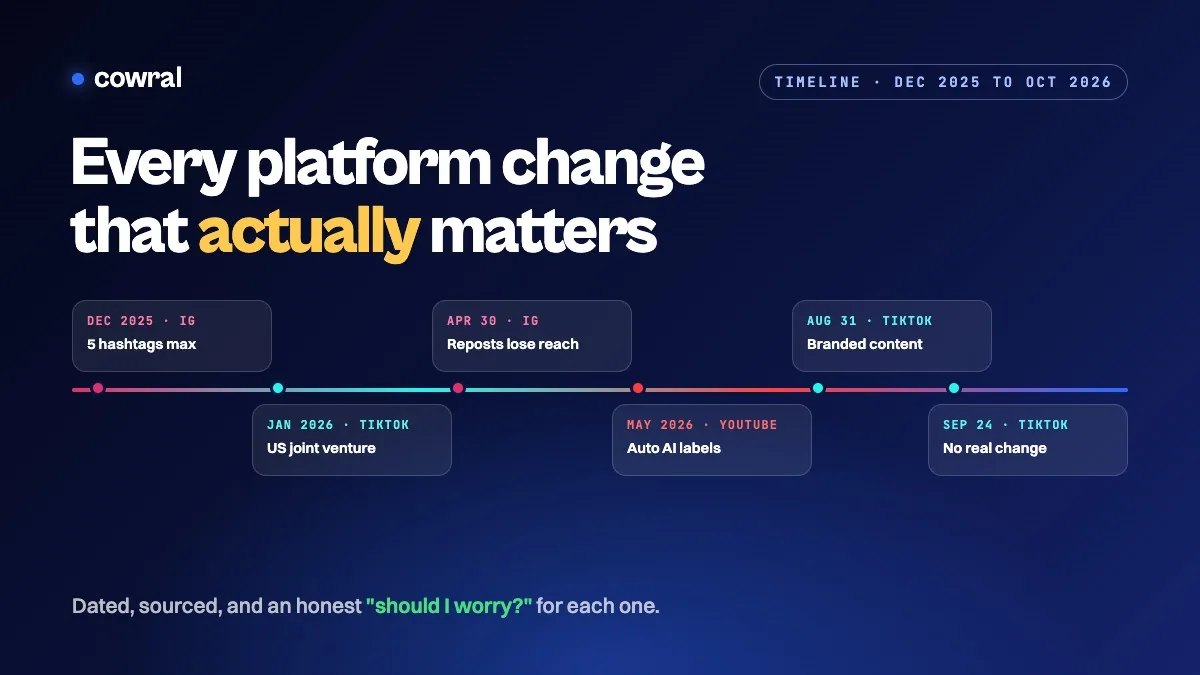 InstagramAlgorithm and policy changes creators need to know in 2026: a dated timelineEvery TikTok, Instagram and YouTube change that actually matters for creators in 2026, in date order, with sources, what each one means for...